June 22, 2026
Transitioning into the formal elementary school system marks a monumental milestone in a young child's developmental and educational journey. Parents frequently look for effective strategies to ensure their children enter the classroom with confidence, curiosity, and the foundational skills necessary for long-term academic success. Early childhood education centers serve as the primary bridge that connects early home life with the structured expectations of primary school. Engaging with high-quality preschools equips toddlers with essential social, emotional, and cognitive tools. This proactive approach to early learning transforms potential classroom anxiety into genuine excitement, establishing a strong foundation for future learning.
Cultivating Crucial Social Skills
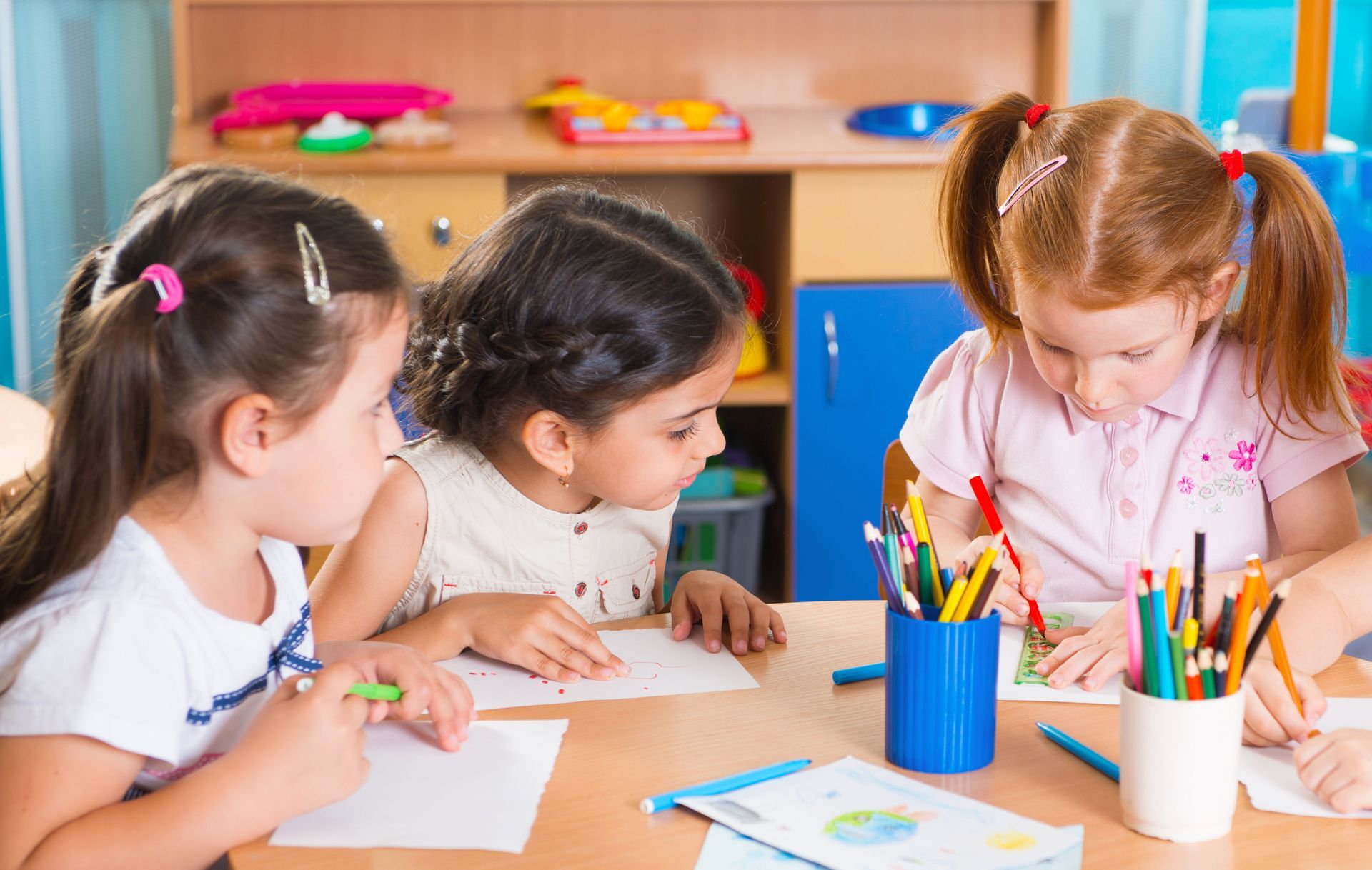
Interacting positively with peers represents one of the most immediate benefits a child gains from early educational environments. In a structured setting, children learn to navigate complex social dynamics, share limited classroom resources, and practice taking turns during group activities. Experienced early childhood educators guide children through the delicate process of conflict resolution, helping them articulate feelings rather than reacting impulsively. High-quality preschools create a safe laboratory for testing conversational boundaries and building initial friendships with diverse groups of children. Mastering these interpersonal abilities early ensures that children adjust effortlessly to the larger social ecosystem of elementary school classrooms.
Building Foundations for Academic Success
Early exposure to language arts and mathematical concepts prepares young minds for the rigorous curricula they will face in elementary school. Rather than relying on repetitive drilling, early educators introduce fundamental concepts through interactive storytelling, rhyming games, and hands-on counting exercises. According to First Steps, 90% of brain growth happens before kindergarten. This critical window of neurodevelopment makes the specialized instruction provided by modern preschools incredibly impactful for long-term intellectual capacity. Nurturing a child's natural curiosity during this highly formative period builds strong cognitive abilities, turning complex subjects into accessible challenges.
Encouraging Independence and Self-Reliance
Managing personal care tasks without parental assistance builds immense confidence in a child preparing for a full school day. In early learning centers, students are expected to hang up their coats, open lunch boxes, and manage restroom needs independently. Instructors establish predictable daily routines that teach children how to transition smoothly between activities without requiring constant individual reminders. Utilizing specialized preschools allows children to practice these self-help skills in a supportive, scaled-down environment designed specifically for their physical capabilities. Developing this autonomy reduces daily separation anxiety, allowing students to focus entirely on learning.
Enhancing Language and Communication Abilities
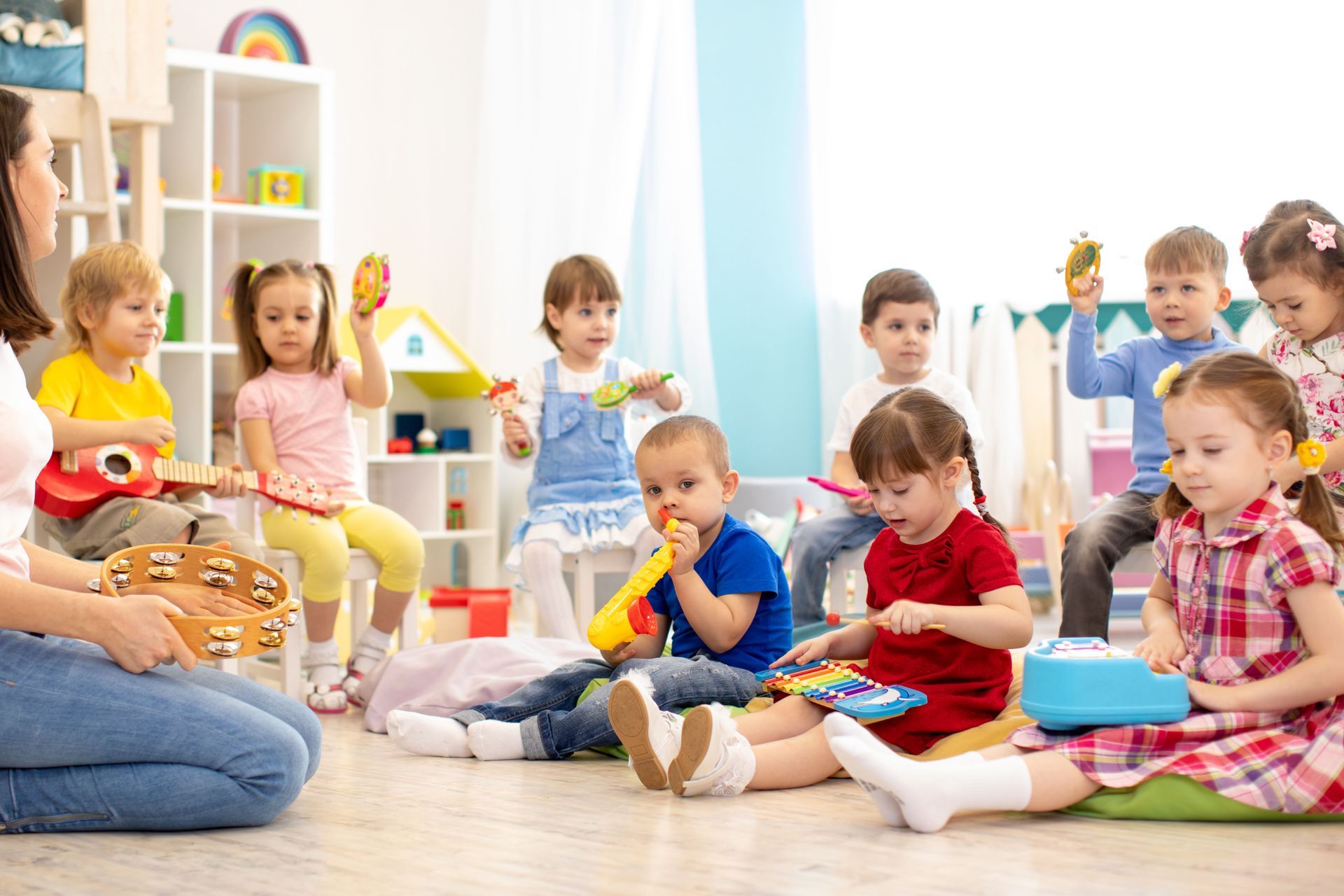
Expressing complex thoughts clearly and listening attentively to adult instructions are mandatory requirements for navigating primary school successfully. Daily circle times provide ample opportunities for children to expand their vocabularies, ask relevant questions, and summarize short stories. Educators explicitly teach active listening skills, ensuring children can follow multi-step directions without becoming overwhelmed or distracted by classmates. Top-tier preschools implement vocabulary-rich environments where speech is consistently used to investigate ideas, explain feelings, and build collaborative play structures. Refining these linguistic tools empowers children to communicate their academic and emotional needs confidently to future teachers.
Nurturing Fine Motor Development
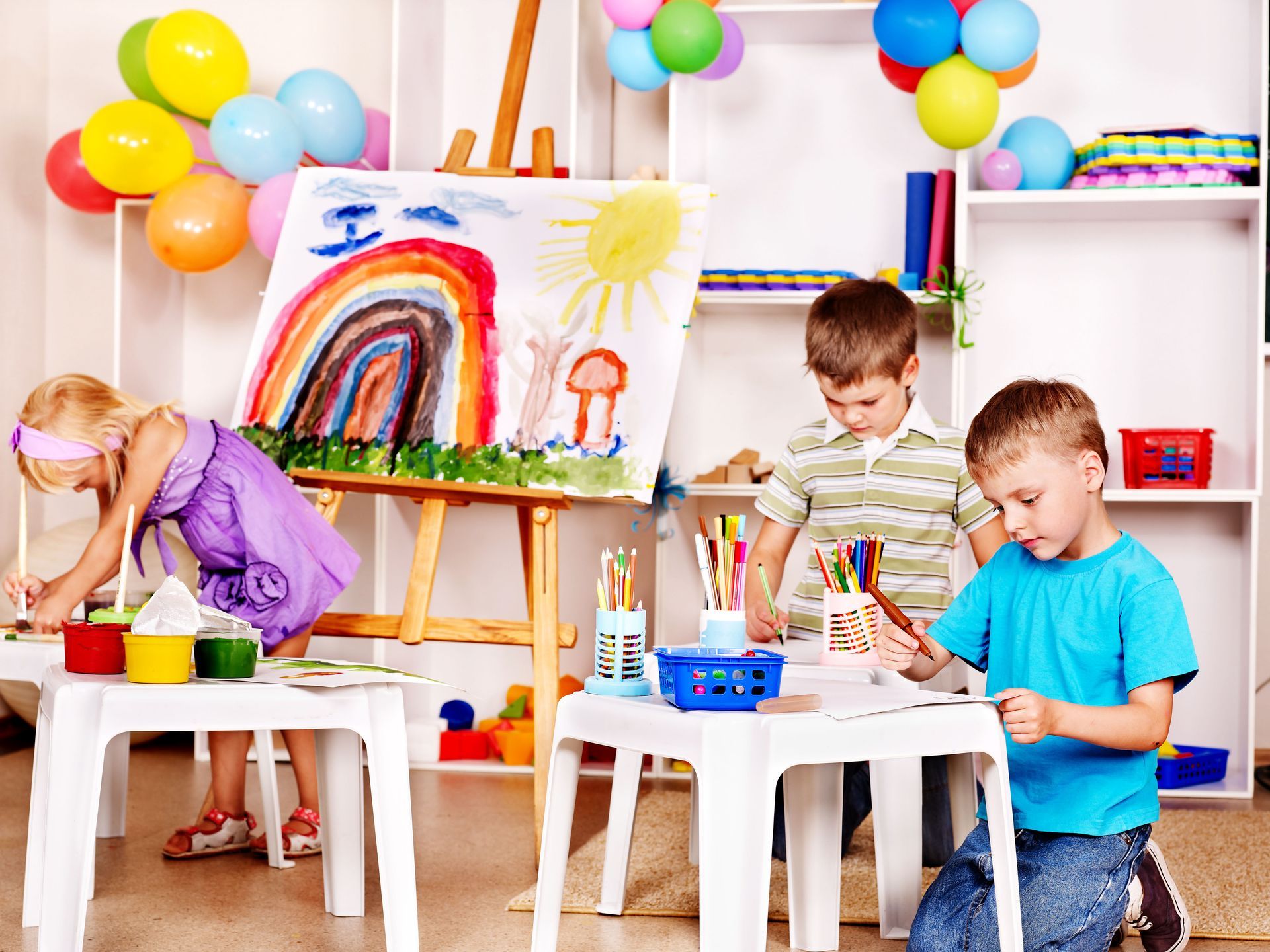
Writing legibly, cutting shapes with scissors, and manipulating small learning materials require highly developed finger strength and hand-eye coordination. Early childhood classrooms feature dedicated centers filled with malleable playdough, colorful stringing beads, safety scissors, and varied drawing utensils. Children strengthen their physical grasp naturally while engaging in artistic creations, puzzles, and building complex block towers with classmates. Attending accredited preschools ensures that children dedicate sufficient time to these muscle-building play activities every day under professional guidance. Refining these fine motor movements prevents early hand fatigue, allowing students to focus on mastering letter formation.
Fostering Emotional Regulation Capacities
Coping with minor frustrations, unexpected schedule changes, and disappointing moments is a vital aspect of psychological maturity for young learners. When an art project tears or a favorite toy is occupied, children must learn to self-soothe instead of melting down. Early childhood specialists introduce mindfulness techniques, deep breathing exercises, and emotional vocabulary to help children process intense feelings constructively. Community-centered preschools prioritize emotional resilience, ensuring that children view mistakes as natural learning opportunities rather than permanent personal failures. Developing this emotional stability prevents disruptive classroom behavioral incidents, creating a peaceful, productive learning experience.
Instilling Structural Routine Adaptability
Adjusting to a rigid institutional timetable can be incredibly shocking for a child accustomed to a completely fluid home schedule. Early learning programs gently mirror the structural rhythm of elementary schools by balancing active play with focused desk activities. Children learn to respond quickly to cleanup signals, move orderly through hallways, and respect quiet times dedicated to resting or reading. Enrolling children in professional preschools normalizes these systemic expectations, transforming compliance into a natural, stress-free habit before formal testing begins. Understanding the predictable flow of a school day provides children with a comforting sense of environmental security.
Promoting Cooperative Teamwork Dynamics
Collaborating on group projects teaches children how to value diverse perspectives and contribute meaningfully toward shared classroom goals. Whether building a massive cardboard castle or cleaning up outdoor play spaces, children practice dividing tasks and celebrating collective successes. These shared experiences teach young minds to appreciate that individual efforts support the well-being of the entire classroom community. Specialized preschools organize daily activities that require active collaboration, preventing the isolation that can sometimes occur in highly competitive academic environments. Learning to work harmoniously within a team structure prepares children for future collaborative learning models.
Sparking Lifelong Learning Passions
Cultivating a deep, intrinsic love for exploration remains the ultimate objective of early childhood educational philosophy and practice. When information is presented through playful inquiry, natural scientific experimentation, and artistic expression, children view school as an exciting adventure. Dedicated teachers encourage students to investigate bugs, ask why the sky is blue, and test structural limits using building materials. Exposing children to vibrant, resource-rich preschools cements the idea that learning is a joyful, rewarding pursuit rather than a tedious chore. This positive academic attitude sustains students through challenges, fueling a persistent desire for self-improvement.
Collaborating Through Parent-Teacher Partnerships
Establishing a unified front between a child's home life and their educational environment accelerates developmental progress significantly. Regular conferences allow educators to share behavioral insights, identify potential learning barriers, and suggest targeted reinforcement activities for home use. Parents learn to translate classroom teaching methods into daily domestic routines, providing their children with reassuring, continuous educational consistency. Engaging with collaborative preschools teaches families how to advocate effectively for their children within the broader institutional school system. This strong communicative foundation ensures that parental involvement remains active, informed, and impactful throughout the elementary years.
Equipping a child for the expectations of elementary education involves a comprehensive blend of social, emotional, and cognitive preparation. Families must recognize that academic readiness extends far beyond simple memorization or basic letter recognition skills. By prioritizing peer socialization, language development, motor coordination, and structural adaptability, you foster a completely well-rounded, resilient young learner. Choosing to utilize high-quality preschools provides the structured, nurturing environment necessary to catalyze this complex developmental growth safely and effectively. Investing in professional early education guarantees your child enters the kindergarten classroom fully prepared, eager to learn, and destined for long-term success. Are you seeking full or part-time preschools for your child in the Stockton, CA area? The child care experts at Little Learners Preschool & Kindergarten are here to assist! Call today for more.