April 18, 2026
Choosing the right local preschool is one of the most meaningful decisions you can make for your child's future. Early childhood education shapes how children think, interact, and approach learning for years to come. During these formative years, young minds are incredibly receptive to new ideas, experiences, and social environments. A high-quality program does more than introduce basic academic concepts; it nurtures emotional growth, creativity, and confidence.
According to the Massachusetts Institute of Technology, children who attend an educational program prior to starting kindergarten are 18% more likely to attend college. This powerful statistic highlights the long-term impact that a thoughtfully chosen preschool can have on a child's academic journey. However, beyond future outcomes, preschool also supports immediate developmental milestones such as communication, independence, and social interaction.
When evaluating options, it is essential to look beyond convenience and consider how a program aligns with your child's needs. A strong foundation built during these early years can foster a lifelong love of learning, making your choice of a preschool especially significant.
Evaluating A Preschool's Learning Philosophy
Every local preschool operates with a guiding philosophy that shapes its approach to teaching and child development. As a parent, understanding this philosophy is key to determining whether a program will provide the environment you want for your child.
Some preschools emphasize structured learning, while others focus on play-based exploration. A balanced approach often yields the best results, blending guided instruction with opportunities for creativity and self-discovery. Children benefit from environments where they can explore freely while still receiving gentle guidance from experienced educators.
An effective philosophy also recognizes that each child is unique. Programs that prioritize individualized attention help children progress at their own pace, encouraging both confidence and curiosity. Look for a preschool that values emotional development as much as academic readiness, as these elements are deeply interconnected.
Ultimately, the philosophy should resonate with your parenting values and provide a clear vision of how your child will grow within that environment.
Exploring Curriculum And Skill Development
A well-designed curriculum is at the heart of any successful local preschool. Rather than focusing solely on memorization or rigid academic benchmarks, an effective curriculum introduces foundational skills through engaging, age-appropriate activities.
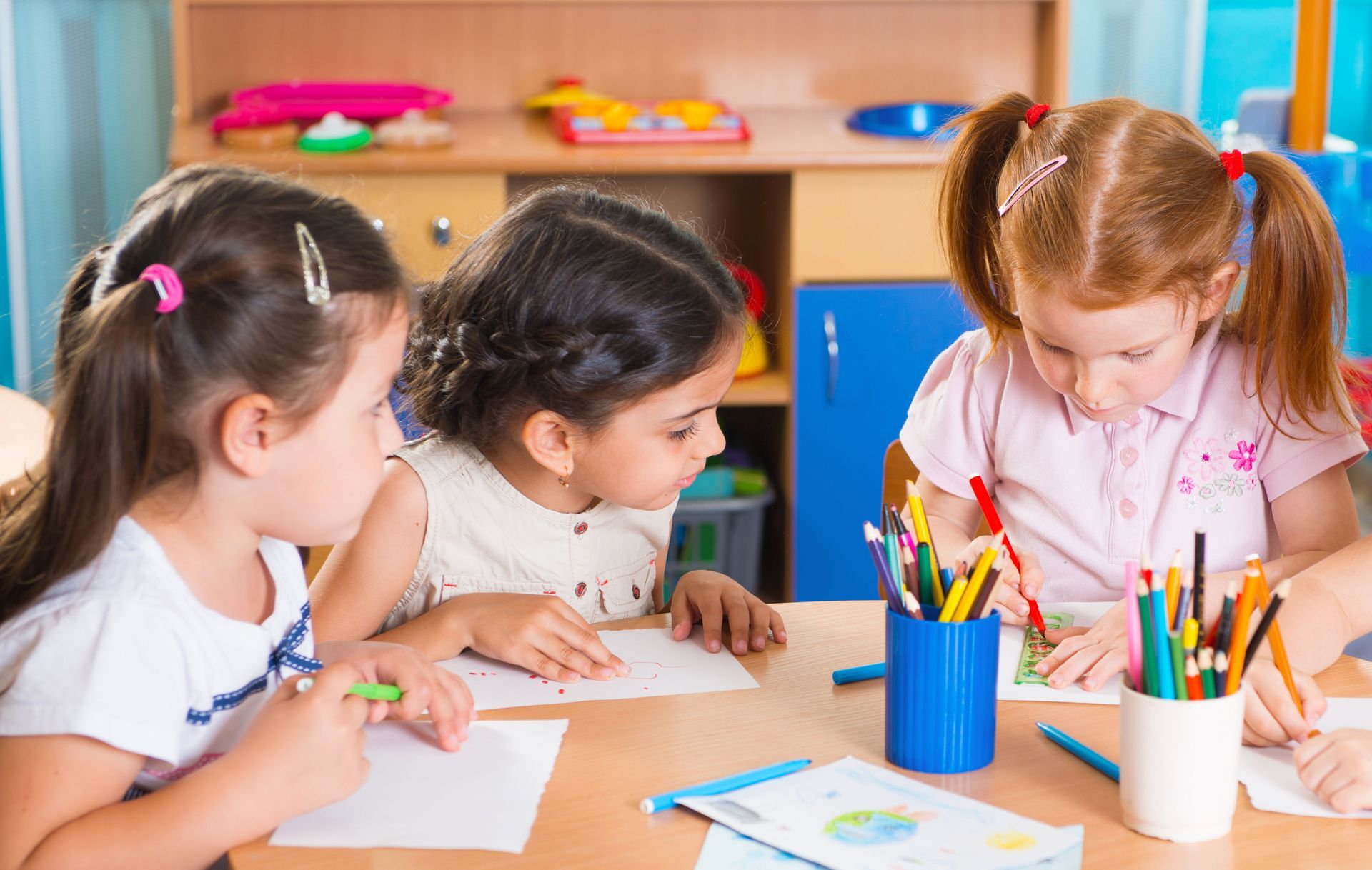
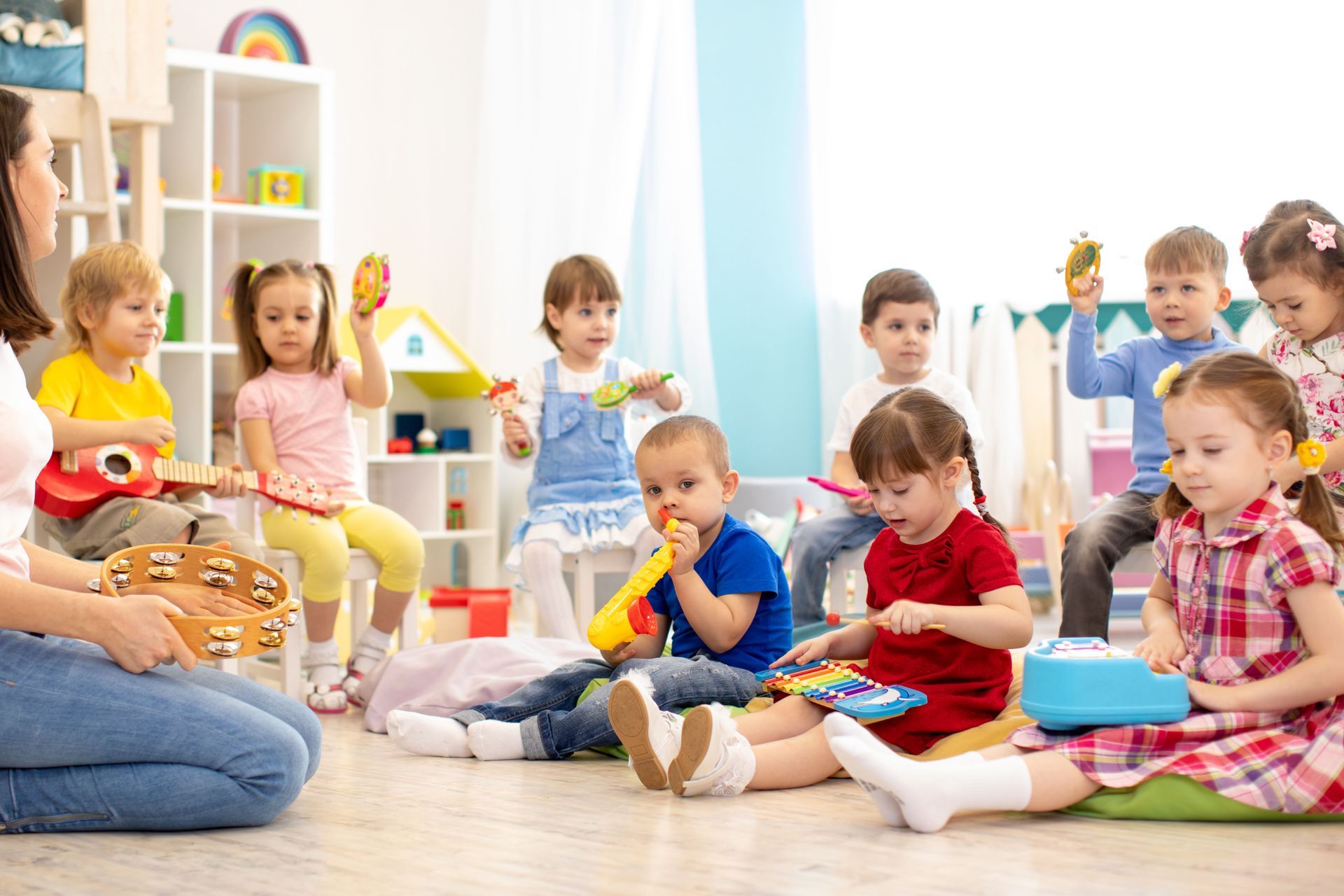
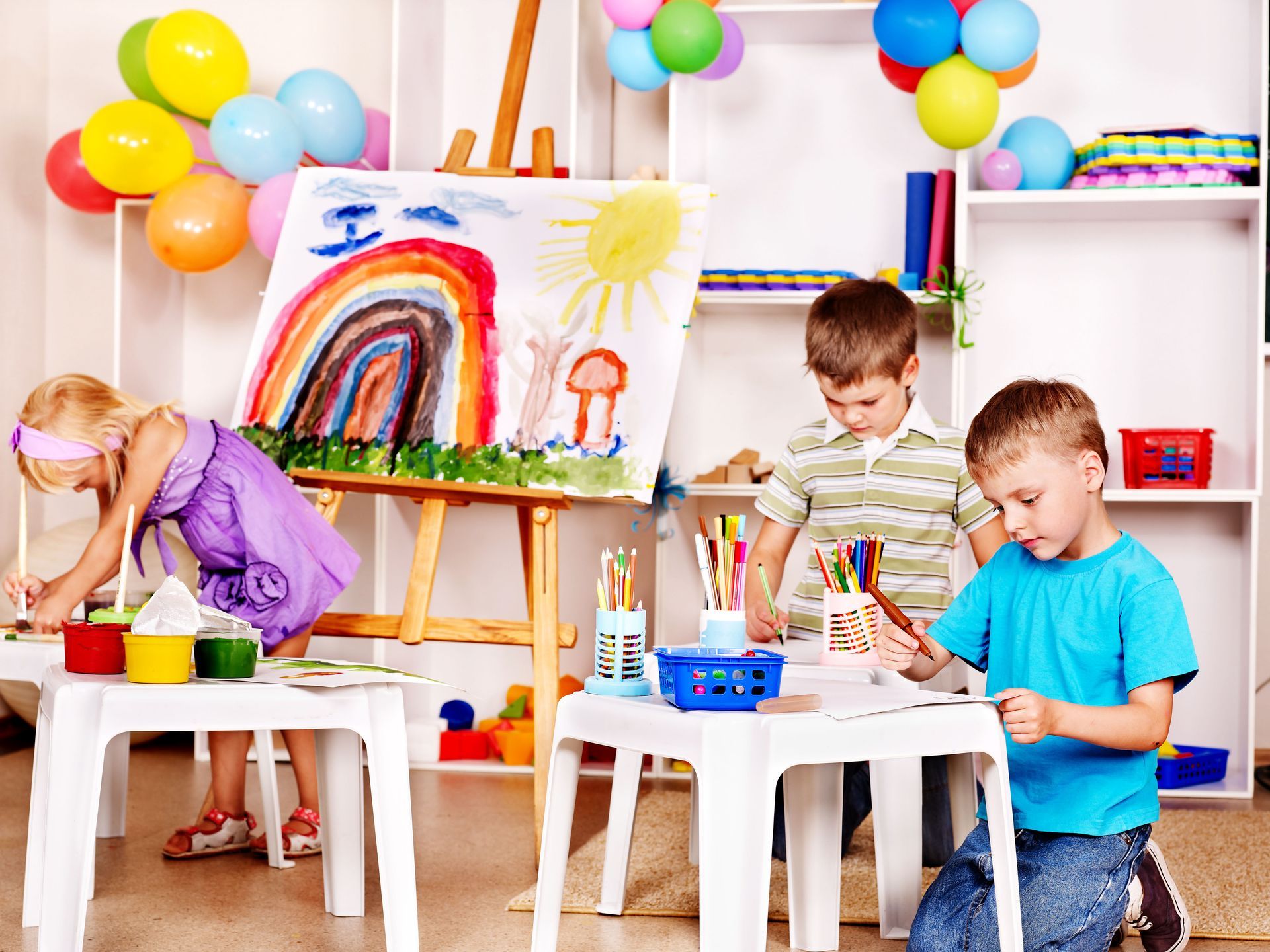
Children should be exposed to early literacy and numeracy concepts in ways that feel natural and enjoyable. Activities such as storytelling, music, puzzles, and hands-on projects help reinforce these skills while keeping children engaged. At the same time, opportunities for creative expression through art, imaginative play, and collaborative activities are equally important.
The development of social and emotional skills is also critical. Preschool provides a structured setting where children learn how to interact with peers, share, take turns, and express their feelings appropriately. These experiences build self-confidence and prepare children for future classroom environments.
When selecting a local preschool, consider how the curriculum balances academic readiness with personal growth. A comprehensive program should nurture the whole child, supporting cognitive, social, and emotional development in harmony.
Considering Teacher Experience And Classroom Environment
The quality of educators plays a central role in your child's preschool experience. Teachers are not only instructors but also role models, caregivers, and guides. Their ability to create a supportive and engaging environment directly impacts how children feel about learning.
Experienced teachers understand how to adapt their approach to meet the needs of different learners. They use positive reinforcement, clear communication, and structured routines to help children feel secure and confident. In addition, ongoing training and professional development ensure that educators remain informed about best practices in early childhood education.
The classroom environment itself is equally important. A well-organized space should feel welcoming, safe, and stimulating. Materials and activities should be accessible to children, encouraging independence and exploration. A thoughtfully designed classroom fosters curiosity and allows children to engage actively with their surroundings.
When visiting a local preschool, observe how teachers interact with students and how the environment supports learning. These factors often reveal more than any brochure or website.
Observing Social Interaction And Emotional Growth
One of the most valuable aspects of a preschool is the opportunity it provides for social interaction. For many children, preschool is their first experience in a structured group setting, making it a critical time for developing interpersonal skills.
Through daily interactions, children learn how to communicate effectively, resolve conflicts, and build friendships. These experiences help them understand empathy, cooperation, and respect for others. A supportive preschool environment encourages children to express themselves while also considering the perspectives of their peers.
Emotional growth is closely tied to these social experiences. A nurturing setting allows children to build self-confidence and develop a sense of independence. Teachers play a key role in guiding children through new situations, helping them feel secure and capable.
As you evaluate a preschool, consider how the program supports both social and emotional development. These skills are essential not only for academic success but also for overall well-being.
Assessing Structure, Routine, And Flexibility
Young children thrive in environments that offer a balance of structure and flexibility. A predictable routine helps children feel safe and understand what to expect throughout the day. At the same time, flexibility allows educators to adapt to individual needs and interests.
A well-structured local preschool will include a variety of activities that provide both consistency and variety. Daily schedules often incorporate group activities, independent play, and quiet time, creating a rhythm that supports learning and development.
Flexibility is equally important, particularly for families with varying schedules. Programs that offer different attendance options can help accommodate diverse needs while maintaining a consistent educational experience for children.
When considering a preschool, think about how the program's structure aligns with your family's routine and your child's temperament. A good fit will support both stability and adaptability.
Identifying Opportunities For Play-Based Learning
Play is a fundamental component of early childhood education. Through play, children explore their environment, experiment with new ideas, and develop critical thinking skills. A strong local preschool incorporates play-based learning as a central element of its curriculum.
Activities such as imaginative role-play, building, and creative arts allow children to express themselves and engage with others. These experiences promote problem-solving, collaboration, and innovation. Play also supports language development as children communicate and share ideas during activities.
Importantly, play-based learning does not mean a lack of structure. Instead, it involves intentional planning by educators to ensure that activities align with developmental goals. This approach makes learning enjoyable while still providing meaningful educational outcomes.
When choosing a preschool, look for programs that value the power of play and integrate it thoughtfully into daily routines.
Building A Strong Foundation For Future Learning
A high-quality local preschool serves as a bridge between early childhood and formal education. By introducing foundational skills in a supportive environment, preschool prepares children for the transition to kindergarten and beyond.
Children who attend preschool often develop stronger language abilities, better problem-solving skills, and greater confidence in social settings. These advantages contribute to a smoother transition into more structured academic environments.
Choosing the right preschool is a significant milestone, and finding a program that aligns with your child's needs can make all the difference. At Little Learners Preschool & Kindergarten, we are committed to creating a nurturing and engaging environment where your child can thrive. Our programs focus on exploration, social development, early literacy and numeracy, and building confidence through meaningful experiences. With a dedicated team, a safe and welcoming setting, and a curriculum designed to inspire a love of learning, we partner with families to support every child's unique journey.
If you are ready to take the next step, we invite you to connect with Little Learners Preschool & Kindergarten and learn more about how our programs can support your child's growth and development. Reach out today to schedule a tour and discover how our team can help your child build a strong foundation for the future.