July 20, 2026
Watching your toddler take their very first steps, utter their first full sentences, and explore the world around them is one of the most magical experiences of parenthood. During these early years, a child's brain is like a sponge, absorbing every interaction, sound, and facial expression to build a foundation for the rest of their life. While parents focus heavily on early milestones like counting to ten or learning the alphabet, emotional and social growth is just as vital. Many families assume that keeping a child at home until kindergarten is the best way to protect their development. However, shielding a young child from peer interactions can accidentally limit their social circles, making the eventual transition to elementary school feel overwhelming and stressful.
Stepping into an organized, supportive group environment at an early age can completely transform a child's path toward emotional and social maturity. Entering a dynamic classroom setting gives toddlers a safe, structured space to test their social skills, build self-confidence, and learn how the world works outside their immediate family bubble. These early developmental advantages create a powerful foundation that supports a child all the way through their academic career and into their adult life. According to NPR, 54% of the preschoolers ended up going to college after they graduated, eight percentage points higher than their counterparts who didn't go to preschool. This remarkable long-term statistic highlights how a high-quality early childhood environment shapes a child's future ambition and drive. Choosing an exceptional preschool program is one of the most effective ways to nurture these critical social skills early on. Enrolling your child in a trusted local preschool ensures they learn how to navigate complex group dynamics with confidence. Partnering with a dedicated preschool provider delivers five distinct social, emotional, and communication benefits that prepare your child for long-term success.
Developing Crucial Sharing Skills
The first major way an early education program improves your child's social life is by helping them develop crucial sharing skills and cooperative habits. At home, toddlers are naturally the center of attention, often having access to their favorite toys, books, and play spaces without any competition. When they suddenly enter a room filled with peers, they have to learn how to share resources, wait their turn, and respect the physical space of others.
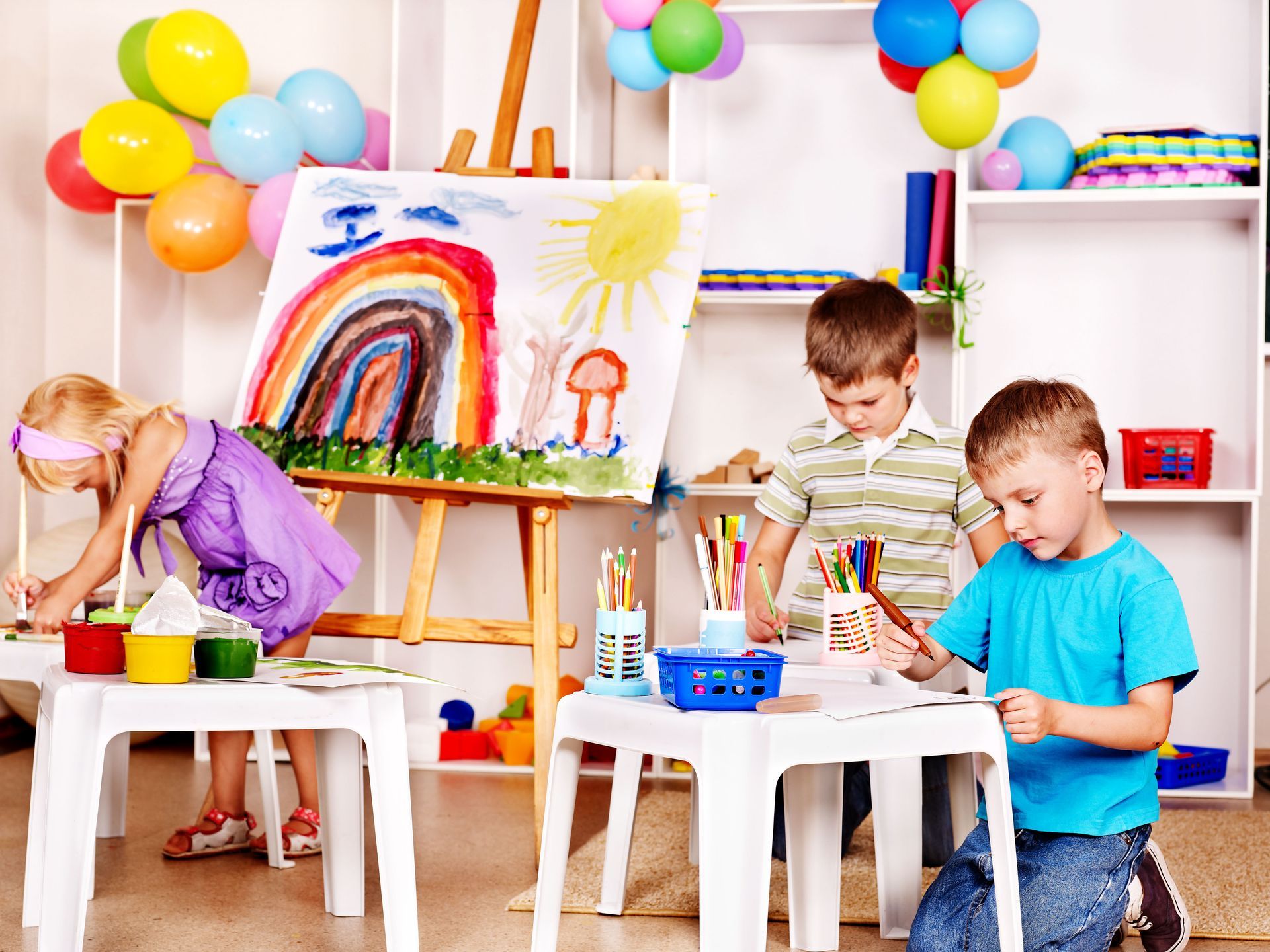
A high-quality preschool program turns these daily moments into valuable sharing lessons. Guided by experienced early childhood educators, children practice trading toys, taking turns on the playground, and working together on group art projects. Learning to share in a friendly preschool classroom teaches toddlers that cooperation leads to more fun, helping them outgrow the natural egocentric habits of early childhood. This vital social training ensures your child builds strong, positive relationships with classmates, turning potentially frustrating situations into moments of joyful teamwork.
Building Strong Communication Habits
Another profound social advantage of early enrollment is the rapid acceleration and building of strong communication habits and verbal skills. While talking with parents and siblings is wonderful, interacting with peers of the same age presents a unique communicative challenge. Children must learn to express their feelings clearly, articulate their needs, and actively listen to their friends if they want to join in on games and activities.
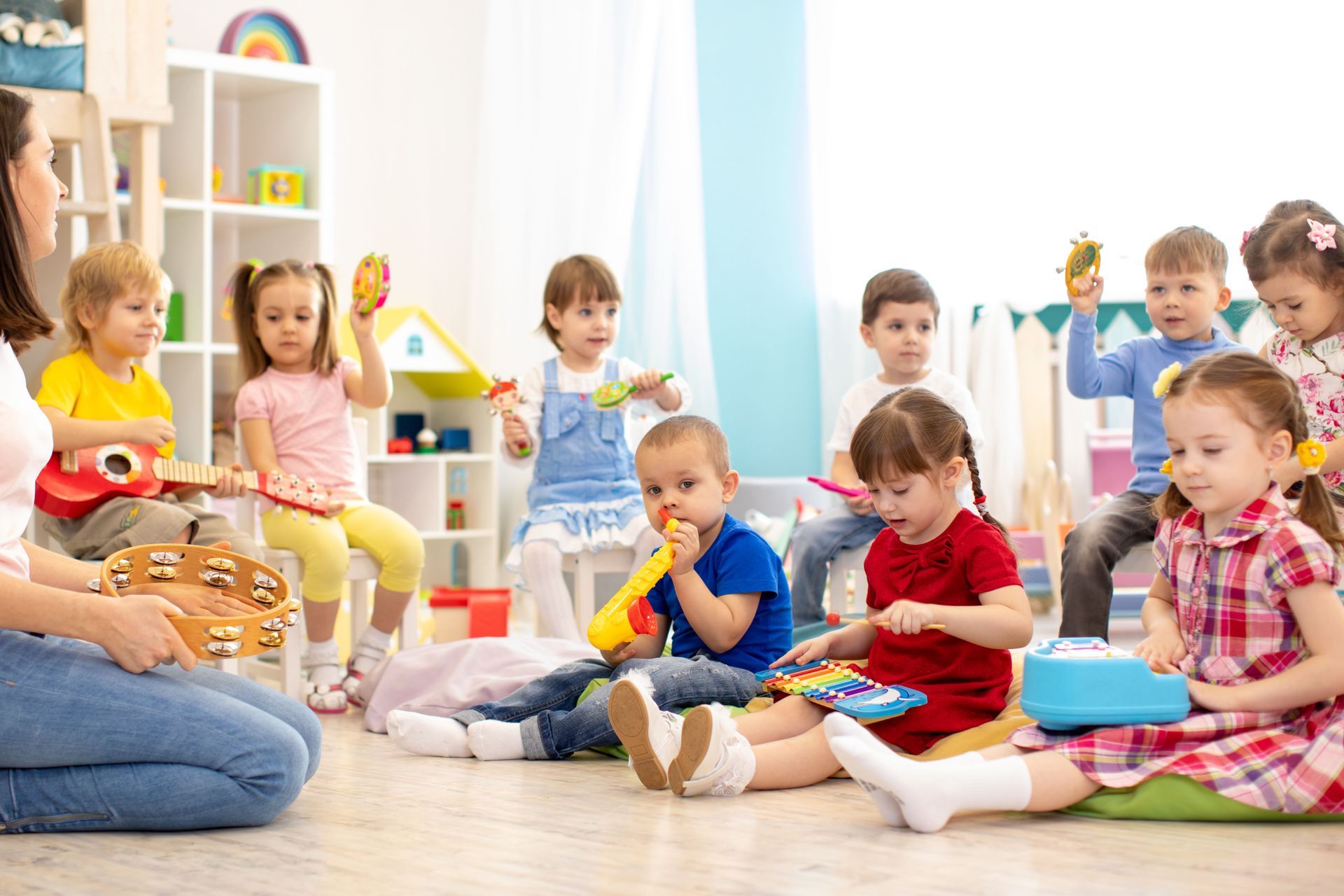
Attending a structured preschool exposes your child to a rich linguistic environment filled with storytelling, group songs, and collaborative play. In a dynamic preschool setting, children are constantly encouraged to voice their thoughts, negotiate rules during recess, and resolve minor disagreements using clear words rather than emotional outbursts. This continuous conversational practice expands their vocabulary and helps them read non-verbal social cues like body language and facial expressions. Developing these advanced communication tools at an early stage allows your child to connect deeply with others, minimizing social frustration and giving them a distinct vocal advantage as they head toward kindergarten.
Nurturing Deep Empathetic Connections
Learning to understand and care about the feelings of others is a sophisticated developmental milestone, and early enrollment plays a massive role in nurturing these deep empathetic connections. Young children are naturally focused on their own immediate desires and comfort. Seeing a classmate drop a toy, get upset, or feel lonely gives a child a real-world chance to step outside themselves and show genuine kindness.
A nurturing preschool environment provides the perfect setting for these emotional breakthroughs to happen organically. Whether it is offering a comforting hug to a sad friend or helping a classmate clean up spilled blocks, the daily routines of a preschool classroom teach children to recognize and value the emotions of their peers. Teachers reinforce these moments with praise and discussions about kindness, helping children build a strong moral compass.
Managing Interpersonal Conflict Comfortably
No matter how peaceful a classroom is, minor disagreements over toys, games, or rules are a natural part of childhood play. Learning how to navigate and manage these interpersonal conflicts comfortably is one of the most important social tools a child can acquire. When a child stays isolated at home, they miss out on these small social friction points, which can leave them unequipped to handle peer disagreements later in life.
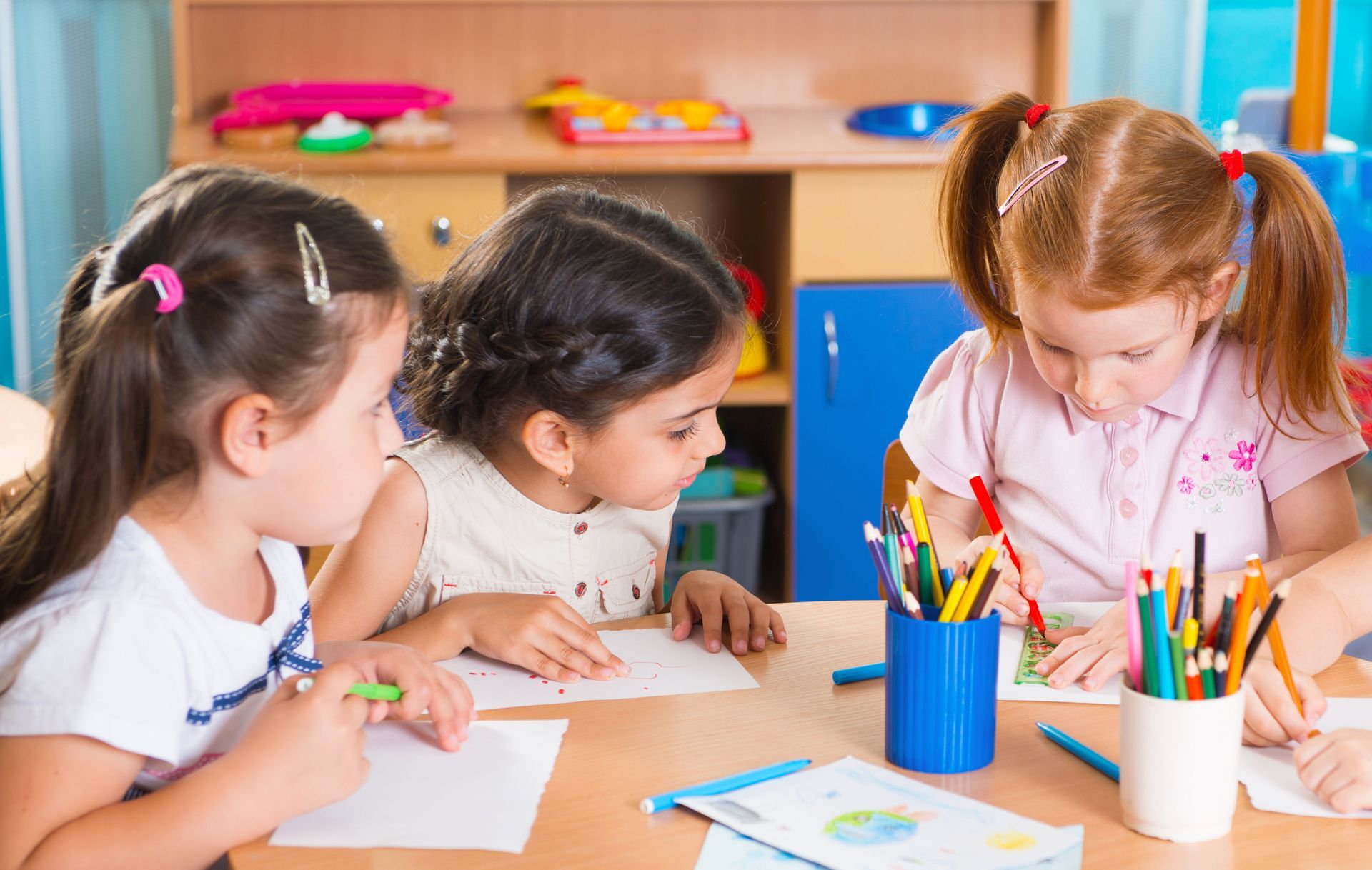
Within a supervised preschool setting, conflicts are treated as valuable, real-time teaching moments rather than behavior problems. When two toddlers want the same crayon, the preschool teacher steps in to guide them through a fair resolution process, teaching them how to compromise and find solutions together. This supportive guidance helps children understand that disagreements are a normal part of life that can be resolved peacefully through calm discussion.
Cultivating Lasting Personal Independence
The final, deeply empowering social benefit of an early childhood education is cultivating a strong sense of lasting personal independence and self-reliance. For many toddlers, leaving their parents for the first time can trigger intense separation anxiety. Stepping into a warm, welcoming environment allows them to realize they can thrive, make decisions, and have fun even when mom and dad are not in the room.
As children master these small daily tasks within their preschool community, they begin to view themselves as capable, independent individuals. Keeping a highly engaging, emotionally supportive, and exceptionally vibrant social environment operating for your child over the long haul requires a complete shift away from isolated home routines and uncoordinated play dates in favor of an elite early childhood education plan managed by local specialists. Your child's early communication habits, emotional resilience, and underlying social confidence function as the absolute cornerstone for their future academic freedom and represent a massive lifetime personal asset, meaning that trying to delay group learning experiences or skipping structured early peer interactions will only lead to severe separation anxiety, delayed verbal development, and incredibly frustrating social adjustments down the road.
Shifting your parenting focus to a proactive, professionally managed early learning strategy is the single most effective way to insulate your family's routine from unexpected educational setbacks and permanently elevate your everyday peace of mind as a parent. By taking immediate control of your child's developmental goals and placing your trust in an experienced team of early childhood educators, you successfully protect their hard-earned potential and maximize their future educational value. If you notice your child is craving peer interaction, is struggling with separation anxiety, or is ready to transform their early years into a spectacular, permanently successful developmental masterpiece, contact Little Learners Preschool & Kindergarten online today to schedule your
preschool enrollment your family transition deserves.