October 20, 2026
Early childhood education plays a pivotal role in shaping a young mind, offering a comprehensive framework for lifelong academic success and personal growth. Attending a structured educational setting allows young learners to explore fundamental concepts while building essential emotional and physical capabilities within a supportive community. These initial experiences lay a stable foundation, providing children with the necessary tools to navigate both academic challenges and interpersonal relationships with confidence and self-assurance. Every daily routine introduces dynamic challenges that spark imagination, promote critical thinking, and encourage meaningful engagement among peers and dedicated instructors.
Enrolling a child in a high quality learning center establishes structure early on, fostering a natural enthusiasm for exploration and inquiry. Through intentional programming, children learn to navigate their surrounding world, developing resilience and curiosity that serve them well throughout their educational journey. The balanced approach of structured guidance and self-directed activity ensures that every aspect of early development is carefully nurtured. By prioritizing these foundational years, families provide their children with an enduring educational advantage that pays dividends across a lifetime, laying the groundwork for a smooth academic trajectory.
1. Socialization Skills
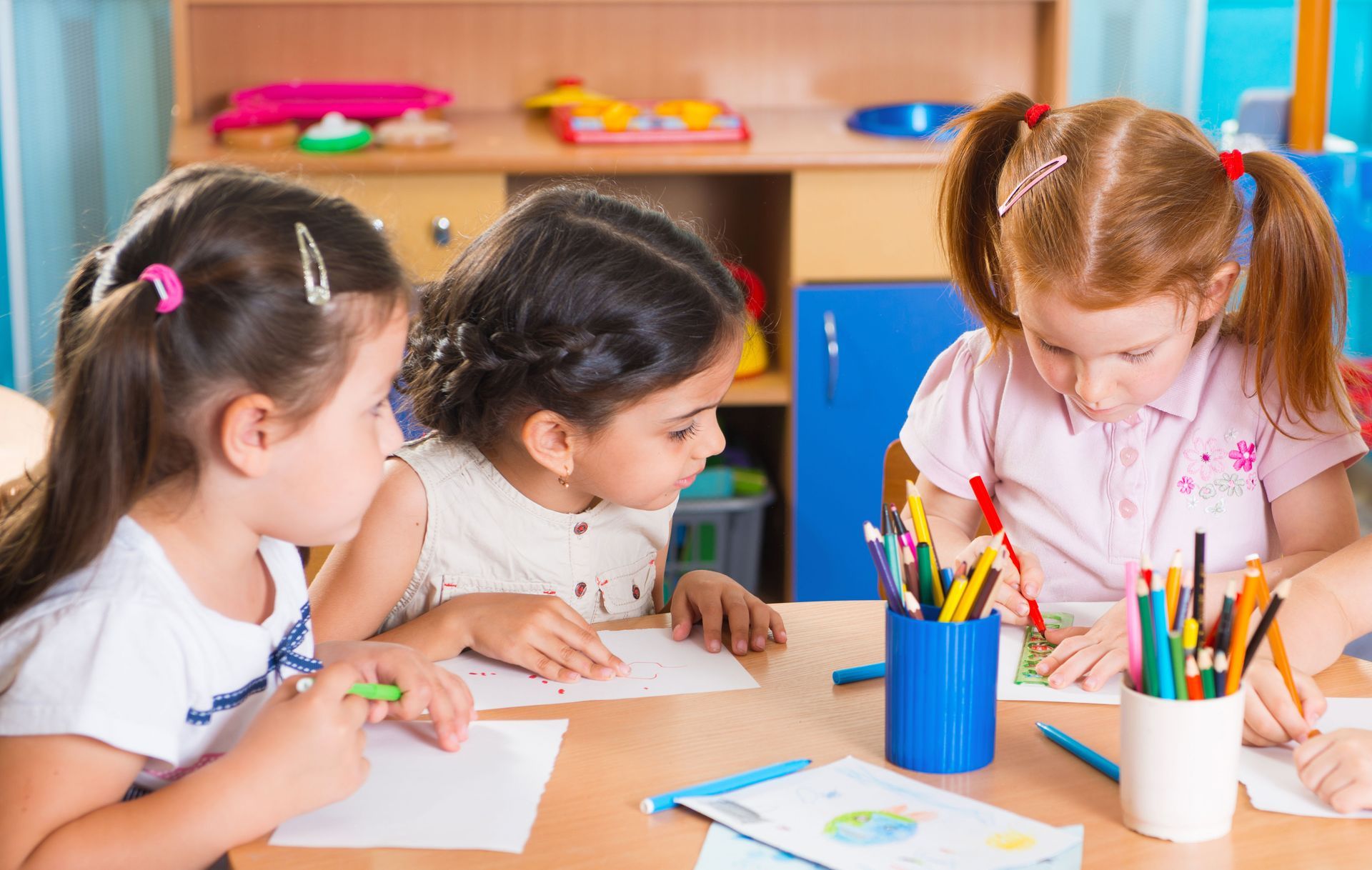
Social interactions in early learning classrooms teach young people how to build positive friendships and share resources effectively. Collaborative play helps children negotiate roles, resolve minor disagreements independently, and express their thoughts with clarity and kindness. Participating in structured group activities exposes students to varied perspectives, instilling a deep sense of empathy and mutual respect. These foundational social experiences build the self-assurance needed to navigate increasingly complex community environments as children grow older, ensuring they feel secure when interacting with new peers and mentors.
Understanding group dynamics enables young learners to respect different viewpoints and work toward shared goals with enthusiasm. Guided group exercises challenge students to practice active listening and compromise, which are essential elements of effective teamwork. As children learn to recognize and validate the feelings of those around them, they contribute to an inclusive classroom atmosphere where everyone feels valued. Mastering these social capabilities at an early age reduces future anxiety in unfamiliar settings and creates a strong foundation for healthy relationships throughout their kindergarten experience. The habits established during these shared classroom interactions continue to benefit children long after they move on to higher grade levels.
2. Cognitive Development
Foundational academic concepts come alive through hands-on activities that introduce letters, numbers, patterns, and spatial reasoning. Early literacy and simple math games build critical thinking abilities without creating unnecessary stress for young students. A head start can go a long way in helping develop young minds. Around 18% of children who start learning in an early program go on to attend college, according to studies from the Massachusetts Institute of Technology. These initial intellectual exercises encourage children to ask thoughtful questions and actively seek answers through guided observation and structured experimentation.
By engaging with rich literature and interactive numerical challenges, children expand their vocabulary and improve their logical reasoning skills. Educators present problems that require analysis and independent problem-solving, helping students build a growth mindset that embraces intellectual challenges. Memory retention activities, such as singing rhythmic songs and reciting stories, strengthen neural connections vital for future academic achievement. Exposing young minds to structured cognitive challenges in kindergarten prepares them seamlessly for the higher expectations of primary school. Furthermore, early intellectual exploration instills a sense of pride that transforms routine tasks into exciting opportunities for individual discovery.
3. Emotional Growth
Developing emotional maturity involves learning to identify personal feelings, self-regulate during times of frustration, and show compassion toward others. Guided daily interactions help children build resilience and develop healthy strategies for coping with new environments. Strategies such as deep breathing exercises and quiet reflection time empower students to handle challenging emotions constructively. By understanding how to control impulses and communicate feelings clearly, young learners build self-esteem and adapt comfortably to structured schedules away from home.
Classroom guidance encourages students to express their needs constructively while celebrating individual and group accomplishments. Positive reinforcement from caring educators validates each student's unique efforts, building a firm sense of self-worth that encourages sensible risk-taking and perseverance. As children become more aware of their own emotional landscapes, they learn to navigate social dynamics with greater emotional intelligence and self-compassion. Developing strong emotional regulation during kindergarten equips children to face future social and academic hurdles with steady self-confidence. This inner stability helps children adapt to changing routines and maintain positive attitudes toward learning.
4. Physical Development
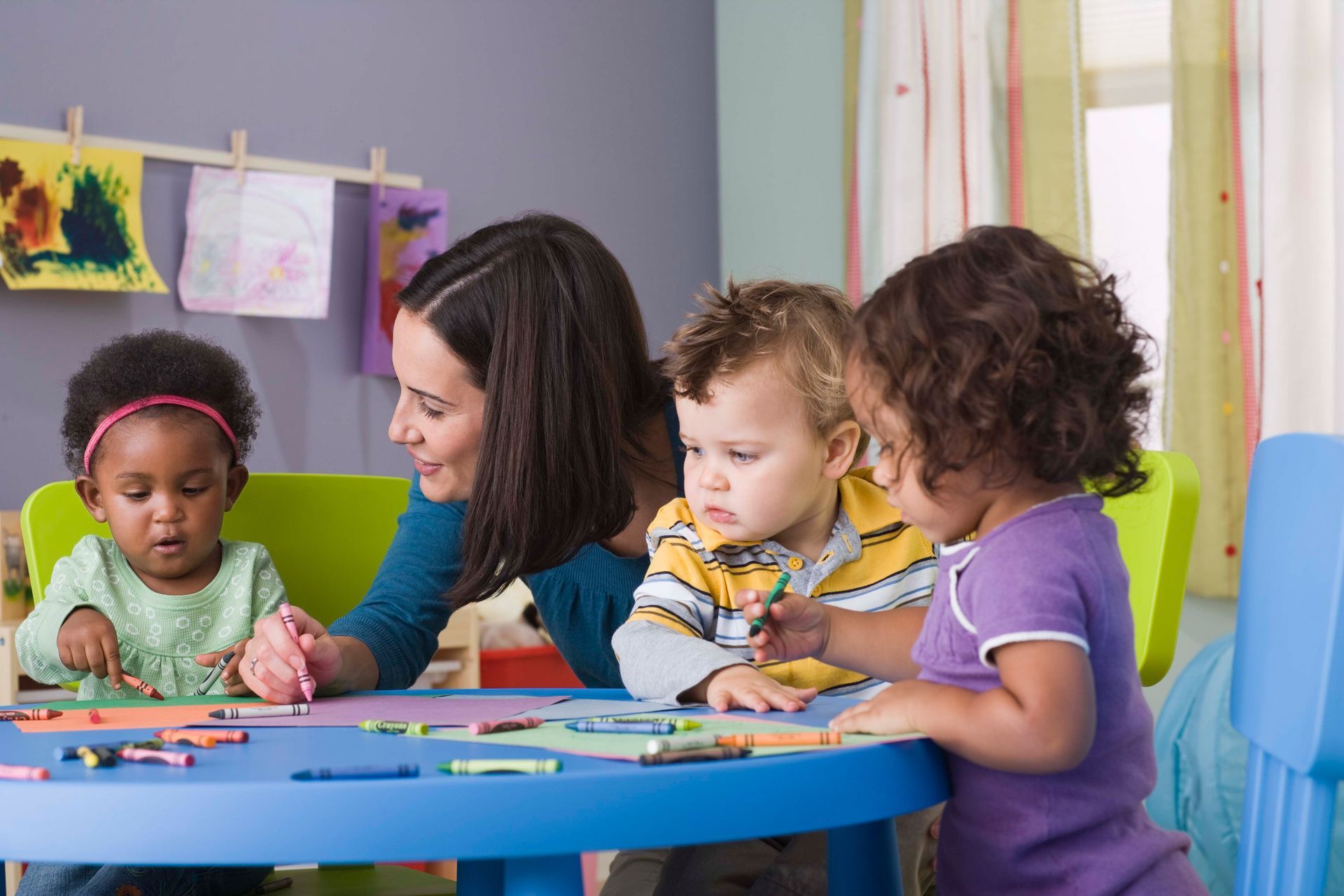
Refining fine and gross motor skills is an essential part of daily classroom activities designed to support holistic health. Activities like holding utensils, drawing, cutting paper, playing outdoors, and navigating obstacle courses build precision, balance, and physical strength. Consistent practice with small-scale motor tasks improves hand-eye coordination, preparing students for handwriting, buttoning clothing, and managing classroom materials independently. Meanwhile, energetic physical activities promote spatial awareness and overall cardiovascular endurance in growing bodies.
Establishing healthy daily habits during early childhood supports overall wellness and encourages an active lifestyle. Incorporating regular physical exercise, structured play, and balanced nutrition routines sets up a lifetime of healthy decision-making. Outdoor play environments provide sensory-rich opportunities for children to explore the natural world while strengthening muscle groups through running, climbing, and jumping. Prioritizing physical development in kindergarten ensures that young learners build the stamina, body control, and healthy routines required for active school days. Regular exercise also boosts daily mood and energy, enabling children to focus far more effectively during indoor study periods.
5. Fostering Creativity
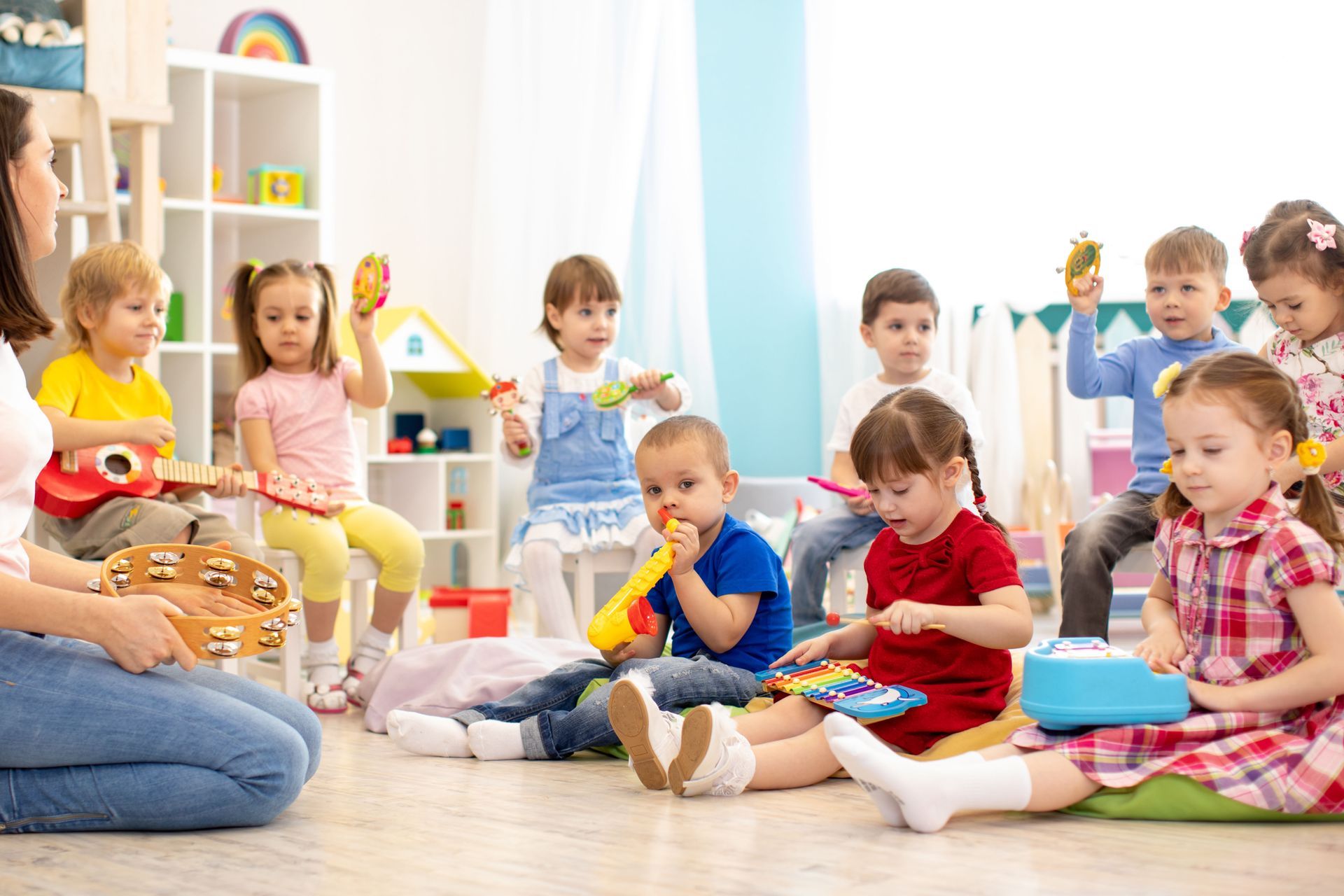
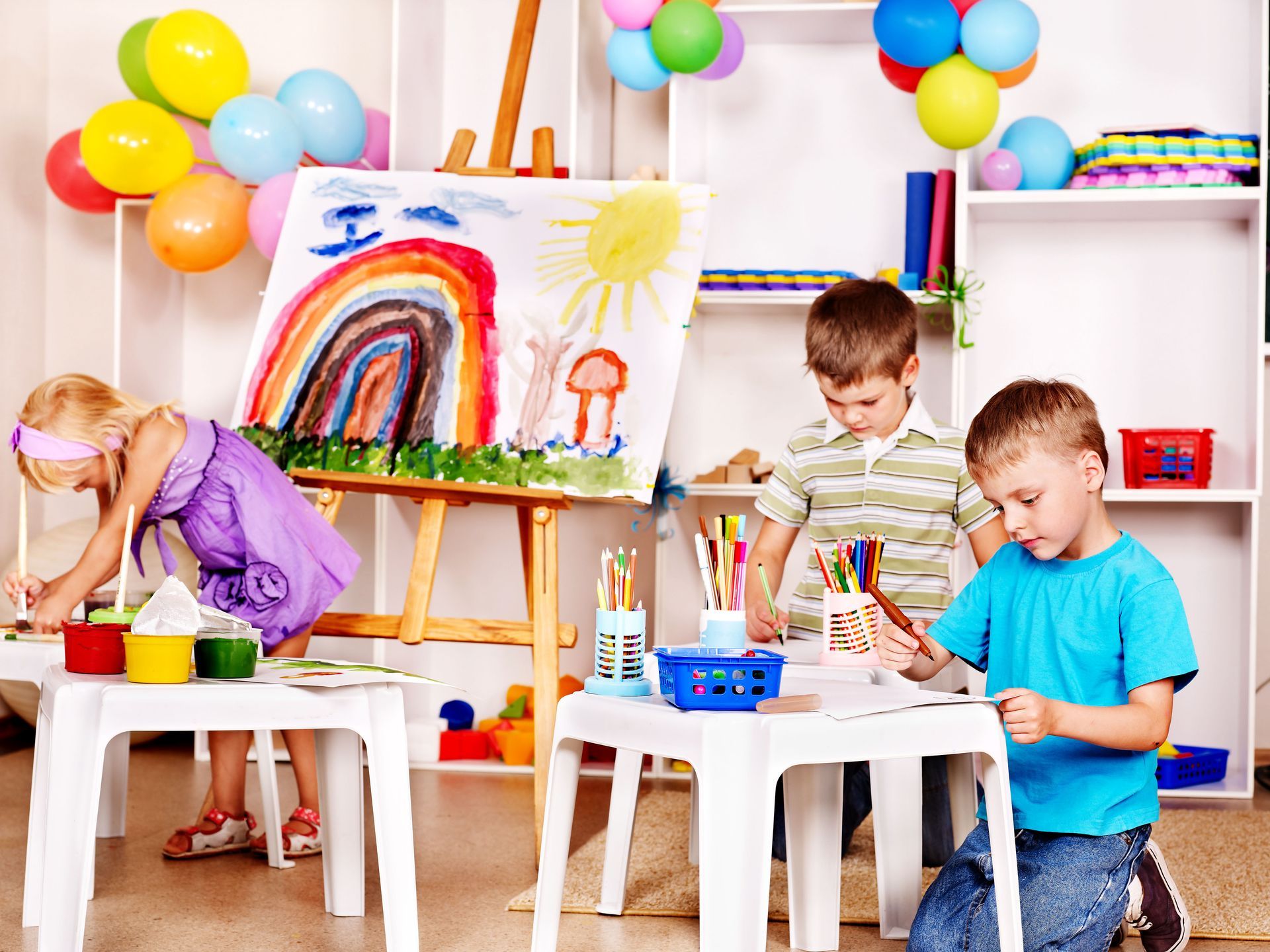
Creative expression thrives when young learners are given access to art supplies, musical instruments, dramatic play areas, and open-ended storytelling tools. Exploring imaginative ideas allows children to solve problems from innovative angles and build personal confidence. Open-ended art projects encourage experimentation with colors, textures, and shapes, allowing students to convey thoughts and emotions without fear of judgment. Dramatic play areas give children space to assume different roles, helping them process real-world experiences through imaginative play.
Engaging with diverse artistic mediums stimulates intellectual growth while encouraging authentic self-expression across all learning areas. Experiencing music, dance, and visual arts broadens worldviews and nurtures an ongoing appreciation for human culture and individual uniqueness. Guided storytelling exercises prompt children to invent narratives, expand their descriptive vocabulary, and think outside traditional boundaries. Nurturing imaginative thinking in kindergarten fosters innovative problem-solving abilities that prove invaluable throughout a student's academic and personal life. Giving children freedom to explore their artistic interests builds a creative foundation that enriches every area of future academic study.
Quality early childhood programs deliver comprehensive support that shapes academic readiness, social competence, physical health, and strong personal character. Investing in a structured educational environment ensures young learners build the momentum necessary to excel throughout their primary school years and beyond. The holistic growth achieved during these early years serves as a lasting benchmark for future achievement, confidence, and resilience. Every milestone reached in early education contributes directly to a child's overall well-being and lifelong love for discovery.
At Little Learners Preschool & Kindergarten, dedicated educators provide dynamic learning environments designed to help every child flourish and reach their full potential. Our comprehensive curriculum balances rigorous academic preparation with warm social support to create an exceptional educational start. Contact us today to schedule a personal tour and learn more about enrolling your child in our premier
kindergarten program.